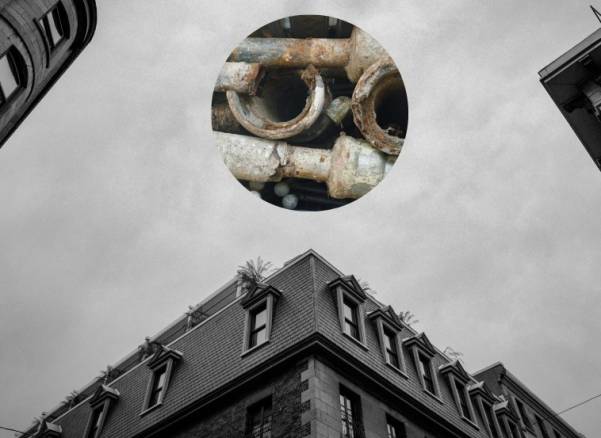
Construction frozen in place
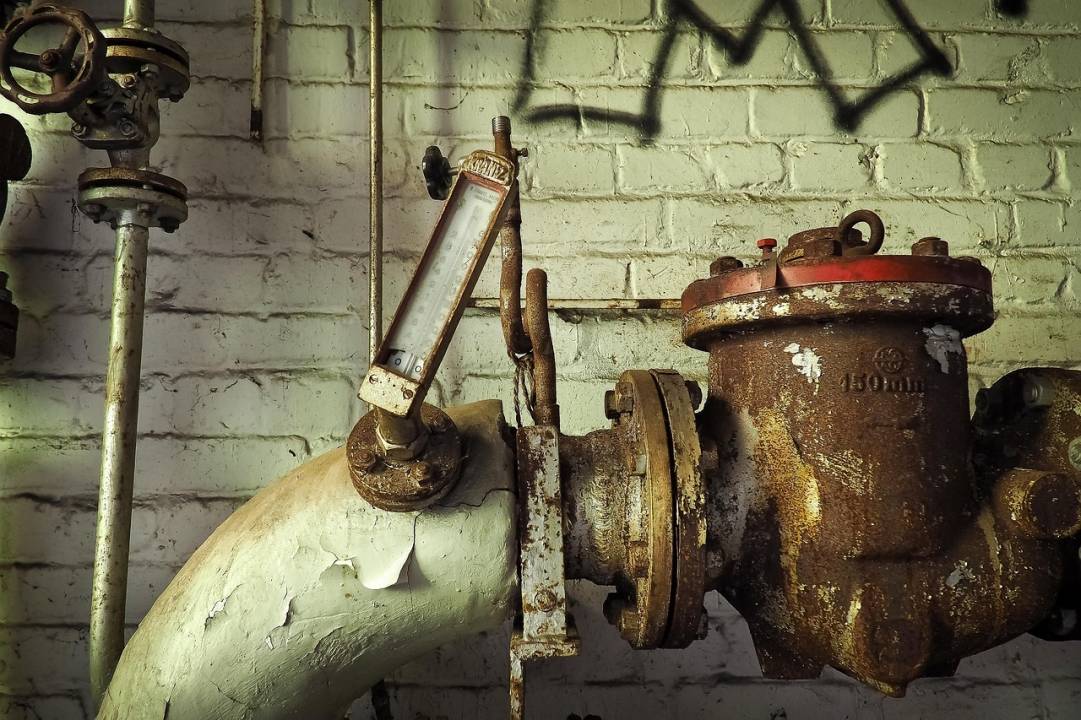
Some solutions to the problem
Across the province, many municipalities find their urban development plans frozen. In addition to all the issues mentioned above, the water systems are at their full capacity. In other words, the water infrastructures are in such a state that they cannot handle any further demand.
In a survey conducted in 2025 by the Union des Municipalités du Québec, 43 of the 139 participating municipalities reported being unable to begin construction projects due to their outdated infrastructures1.
According to the Association des professionnels de la construction et de l'habitation au Québec (APCHQ), certain solutions can be put in place quickly to curb the problem. The most important (and most expensive) is infrastructure upgrades3. This process involves the modernization of drinking water distribution systems and is funded by the Programme de transfert pour les infrastructures d’eau et collectives du Québec (TECQ). The funds allocated to municipalities through this program are intended for bringing drinking water networks up to standard, as well as for road maintenance.
Despite these funds, the estimated 2025 cost of $49 billion related to the replacement of water infrastructures remains very high4. The APCHQ also proposes the installation of closed-loop water systems, to save as much water as possible. Again, this process is costly and does not guarantee a quick solution to the problem. Finally, volumetric pricing was discussed. This pricing scheme would target the largest water consumers and encourage Quebecers not to overconsume their drinking water.
In short, it is imperative to have good drinking water consumption habits to preserve our infrastructures. The construction of new housing relies on strong networks capable of adapting to demand.
To do your part as a citizen, a few simple actions can make a significant difference:
• Install a low-flow faucet on sinks and showers,
• Prioritize the use of front-load washing machines since they consume 50% less water than top-load washing machines7,
• Avoid the use of hot water when washing dishes,
• Take short showers and reduce baths.
We use cookies
Respecting your privacy matters to us. We use cookies to personalize our content and facilitate your digital experience. Some cookies may be collected with your consent.
Essential
Essential cookies help make a website usable by enabling basic functions such as page navigation and access to secure areas of the website. The website cannot function properly without these cookies.
Performance
These cookies enable us to analyze navigation on our sites and improve their operation.
Customization
Preference cookies enable a website to remember information that modifies the behavior or appearance of the site, such as your preferred language or the region you are in.
Targeted advertising
These cookies help us limit the number of times you see an advertisement, personalize our offers and services according to your centers of interest, measure the effectiveness of an advertising campaign, and so on. They may be shared with our partners.
We use cookies
Respecting your privacy matters to us. We use cookies to personalize our content and facilitate your digital experience. Some cookies may be collected with your consent.