Issues related to using drinking water for watering
Solutions to reduce drinking water use for watering
Water is a necessary and essential resource for the life of every living being. We use it every day, for various activities, such as hydrating, washing, cooking, but also for activities such as landscaping.
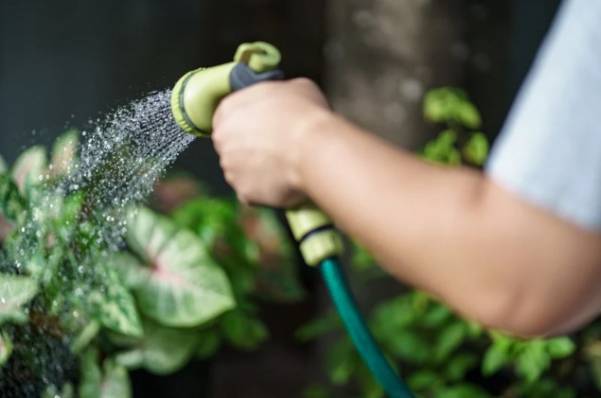
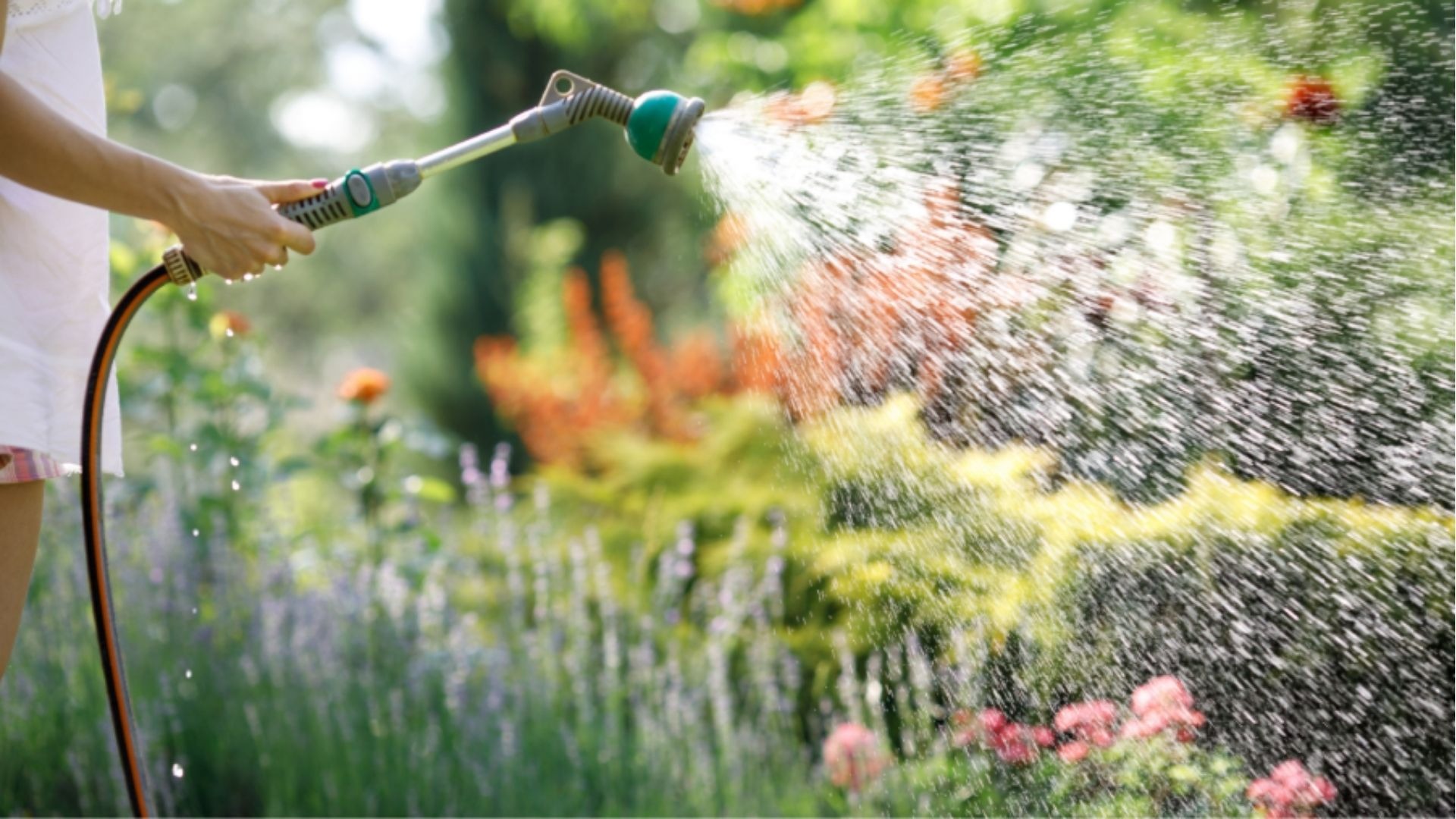
Using drinking water for landscaping, such as watering plants, raises several environmental issues, especially during the summer period. Hot, sunny days, along with drought, create a need for water for plants and green spaces. This high demand leads to overconsumption of drinking water, sometimes even depleting city and municipal water reservoirs. Consequently, there is an insufficient amount of drinking water left to meet life basic needs.
Furthermore, waste can occur when drinking water is used excessively or inefficiently. For example, a hose left open and forgotten in the garden, too much water used for plants, overwatering of the lawn after periods of rain, etc.
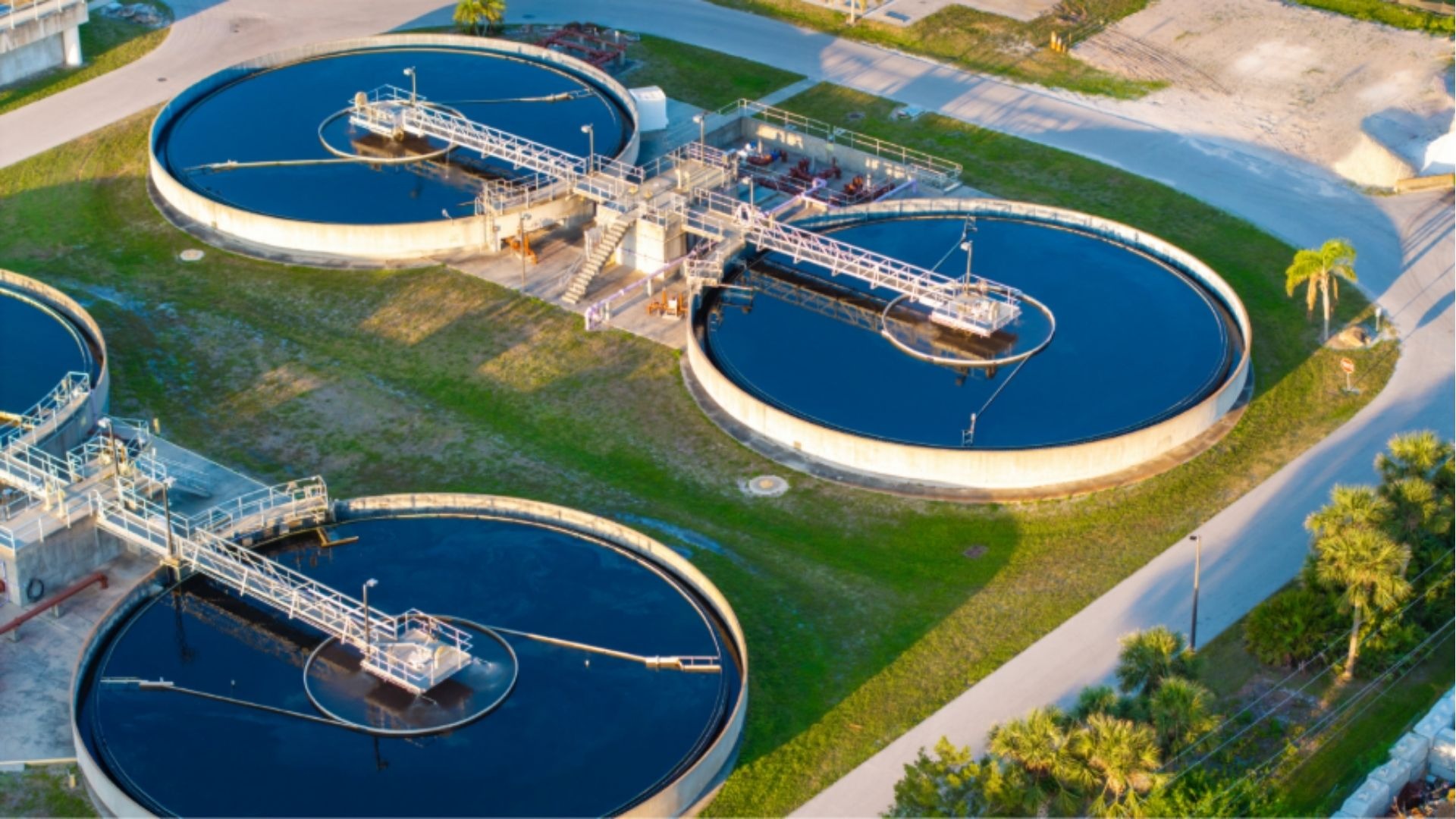
In addition to being an environmental issue, the use of drinking water for watering poses challenges for infrastructure. Demands overload the distribution networks, forcing an increase in the amount of water in the reservoirs to meet needs. Before being made potable and distributed to the population, water must also undergo several treatments to ensure it is safe and fit for human consumption. These treatments are not free and require costly infrastructure and significant energy consumption.
This is why using drinking water to maintain landscaping is an important issue and raises questions about the optimization of this use.
Several solutions can be implemented to reduce drinking water use, especially for landscaping. Many cities and municipalities are already trying to address this issue by imposing restrictions on their residents. Watering bans during drier periods are put in place to conserve this essential resource for more critical situations.
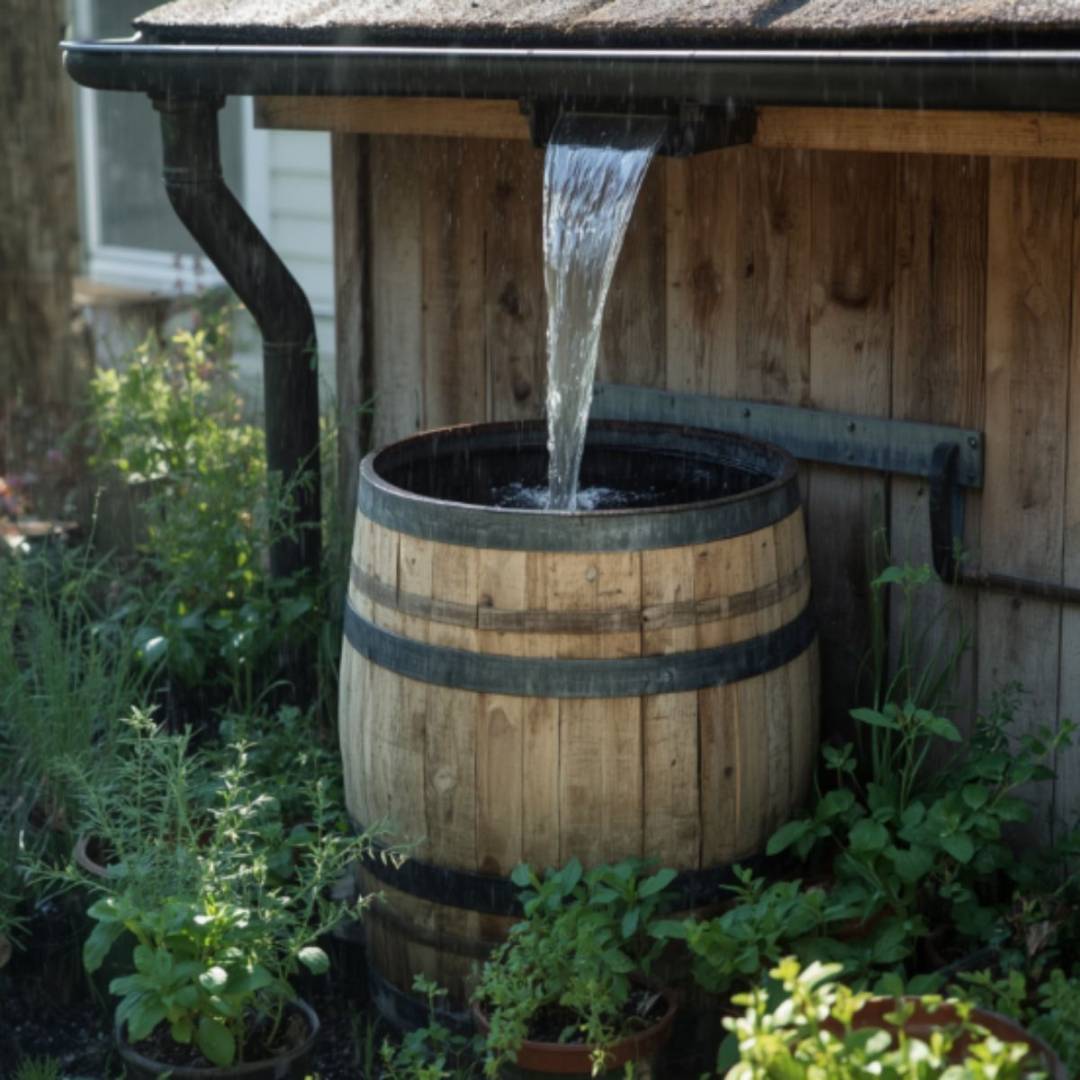
Since water does not necessarily have to be potable when it comes to watering your garden, many people use barrels filled with rainwater collected from gutters. It is an excellent natural solution for preserving the water source.
Others will also use watering methods such as automatic sprinkler system.
Some will adopt practices that promote the recovery and preservation of drinking water, for example, through the use of mulch or techniques based on the soil quality and local climate.
These are just some of the many measures that can reduce drinking water consumption while maintaining healthy landscaping.
In conclusion, drinking water is not essential for watering landscaping. It is possible to preserve this resource while keeping healthy green spaces through various water recovery methods. As the challenges of sustainable water management become increasingly important, adopting these practices represents a promising solution for reconciling environmental protection with landscape maintenance.
1. Gouvernement du Québec. (2026, mai 11) Gestion écologique de l’eau au potager. https://www.quebec.ca/agriculture-environnement-et-ressources-naturelles/agriculture/agriculture-urbaine/preparer-entretenir-potager/gestion-ecologique-eau-potager
2. City of Montreal. (2026, June 9) Regulations concerning water use: what you need to know. https://montreal.ca/en/articles/regulations-concerning-water-use-what-you-need-to-know-16578
3. Québec Vert. (2026) Par où commencer ? https://www.arroserfute.quebecvert.com/planifier-pour-economiser/par-ou-commencer/
4. Ville de Saint-Jean-sur-Richelieu. (2024, juin 18) En période estivale, on évite le gaspillage de l’eau potable. https://sjsr.ca/communiques/en-periode-estivale-on-evite-le-gaspillage-de-leau-potable/
We use cookies
Respecting your privacy matters to us. We use cookies to personalize our content and facilitate your digital experience. Some cookies may be collected with your consent.
Essential
Essential cookies help make a website usable by enabling basic functions such as page navigation and access to secure areas of the website. The website cannot function properly without these cookies.
Performance
These cookies enable us to analyze navigation on our sites and improve their operation.
Customization
Preference cookies enable a website to remember information that modifies the behavior or appearance of the site, such as your preferred language or the region you are in.
Targeted advertising
These cookies help us limit the number of times you see an advertisement, personalize our offers and services according to your centers of interest, measure the effectiveness of an advertising campaign, and so on. They may be shared with our partners.
We use cookies
Respecting your privacy matters to us. We use cookies to personalize our content and facilitate your digital experience. Some cookies may be collected with your consent.