You live in a third-floor apartment and notice that there is low water pressure in your shower. Why is this happening? We often conclude that our plumbing might have a leak, a partially open valve, air bubbles or simply that the apartment’s height is causing the problem. But this is rarely the only explanation.
According to the Régie du bâtiment du Québec, residential buildings with more than 8 units and more than 2 storeys must be protected by a backflow prevention device (BPD) installed at the water inlet. This requirement may therefore apply to your building.
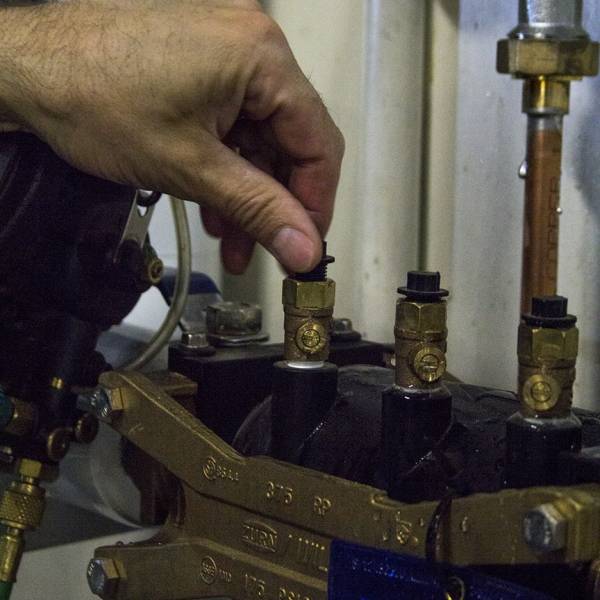
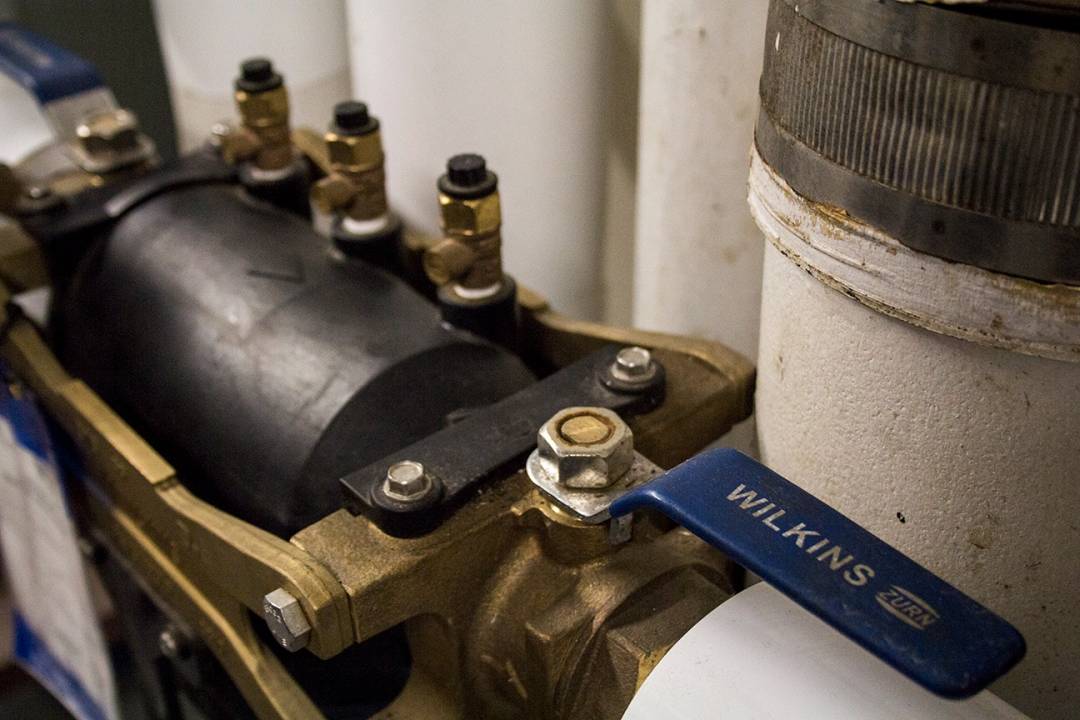
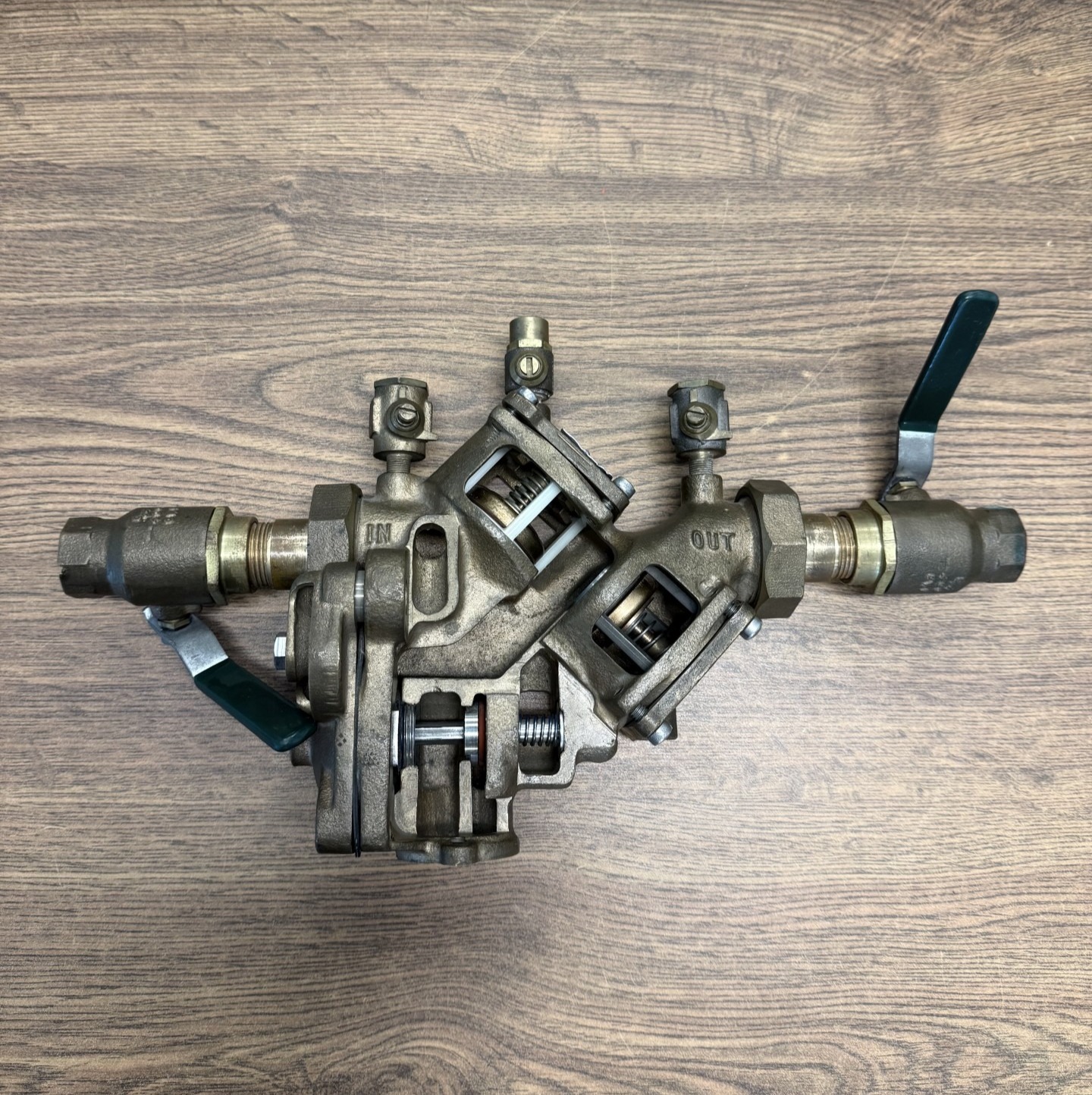
Most people do not really know how a backflow prevention device works and do not realize that it can sometimes contribute to a drop in pressure in their home. The two most common models, the Reduced Pressure (RP) and the Double Check Valve (DCVA), are equipped with spring-loaded valves.
As water flows through the device, it must pass through these valves, creating resistance and inevitably resulting in a pressure drop. Simply put, the valve allows water to flow in one direction, but as soon as there is a back pressure attempting to force the water back in the opposite direction, it closes. The result is that the water is blocked and cannot "back up" into the drinking water network.
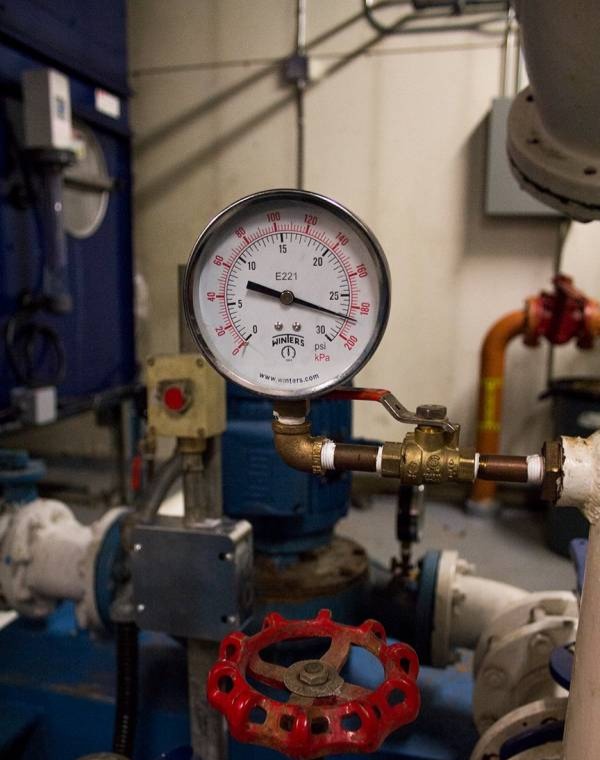
The pressure loss is caused by these valves, as they create resistance when water flows through the device. By definition, any spring-loaded backflow prevention device therefore causes a certain pressure loss. A total pressure loss of approximately 8 to 12 PSI for RP and 3 to 8 PSI for DCVA! These values are already quite significant. However, the losses increase with the water flow rate. They could therefore be even greater depending on the water demand.
These devices must be checked and certified annually to confirm that the valves, springs and other components are functioning correctly and still provide the minimum resistance required by the standard to ensure adequate protection against backflow.
Let's take the example of the apartment on the 3rd floor. If the shower pressure was normal one year, then problems appeared the following year, the BPD could be the cause. A defective valve can offer less resistance, allowing the water to flow more easily. During repairs, the valves and springs are replaced with new compliant parts, restoring the device’s normal resistance and potentially making the pressure loss more noticeable. In short, a properly functioning backflow prevention device always results in some pressure loss.
Every building has its own unique characteristics, both in terms of its water supply and the equipment installed, such as showers. Therefore, a pressure problem can have several causes and warrants a thorough analysis of the situation. At Darspec, our experts are equipped to answer your questions and help you identify the source of the problem.
1. Calcady. (2026). RPZ backflow pressure loss calculator. https://calcady.com/trade/plumbing/rpz-backflow-pressure-loss/
2. Toolgrit. (2026). Backflow preventer sizing calculator. https://www.toolgrit.com/tools/backflow-preventer-calc
3. Piping Technology System. (n. d.). Check valve pressure drop calculation formula. https://pipingtechs.com/check-valve-pressure-drop-calculation-formula/
4. EZ Virtual Tools. (n. d.). Check valve pressure drop calculator. https://hydraulics.ezvirtualtools.com/calc/check-valve.html
5. Municipality of Sainte-Brigitte-de-Laval. (n.d.). L’installation d’un régulateur de pression d’eau potable. https://sbdl.net/capsules-municipales/linstallation-dun-regulateur-de-pression-deau-potable/
6. Atlas Backflow Services. (2025). Can a backflow preventer cause low water pressure in my building? https://www.atlasbackflow.com/post/can-a-backflow-preventer-cause-low-water-pressure-in-my-building-1
We use cookies
Respecting your privacy matters to us. We use cookies to personalize our content and facilitate your digital experience. Some cookies may be collected with your consent.
Essential
Essential cookies help make a website usable by enabling basic functions such as page navigation and access to secure areas of the website. The website cannot function properly without these cookies.
Performance
These cookies enable us to analyze navigation on our sites and improve their operation.
Customization
Preference cookies enable a website to remember information that modifies the behavior or appearance of the site, such as your preferred language or the region you are in.
Targeted advertising
These cookies help us limit the number of times you see an advertisement, personalize our offers and services according to your centers of interest, measure the effectiveness of an advertising campaign, and so on. They may be shared with our partners.
We use cookies
Respecting your privacy matters to us. We use cookies to personalize our content and facilitate your digital experience. Some cookies may be collected with your consent.