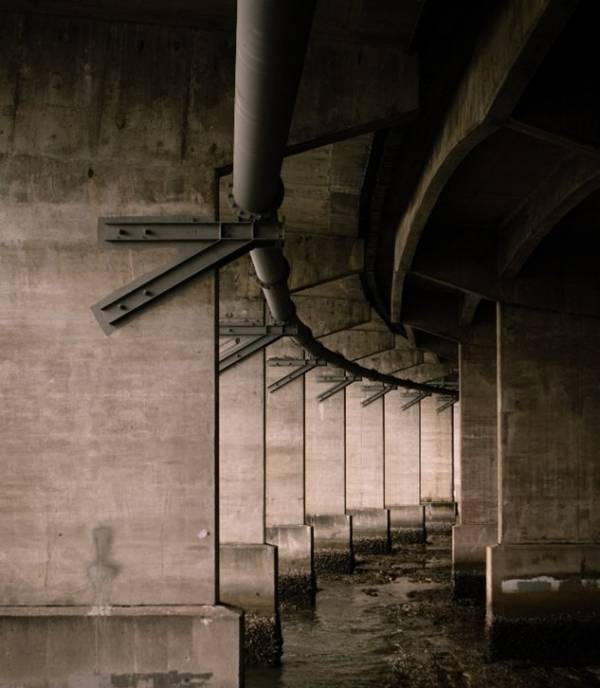
Good design practices
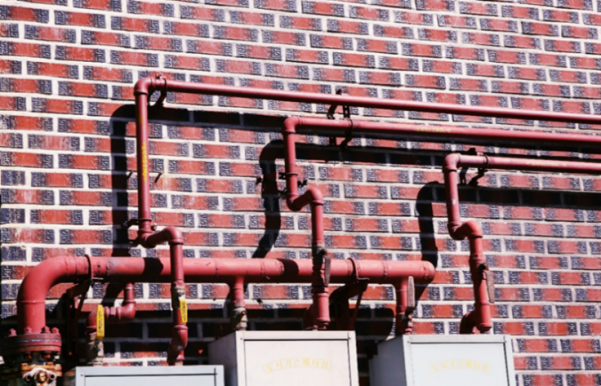
Common mistakes to avoid
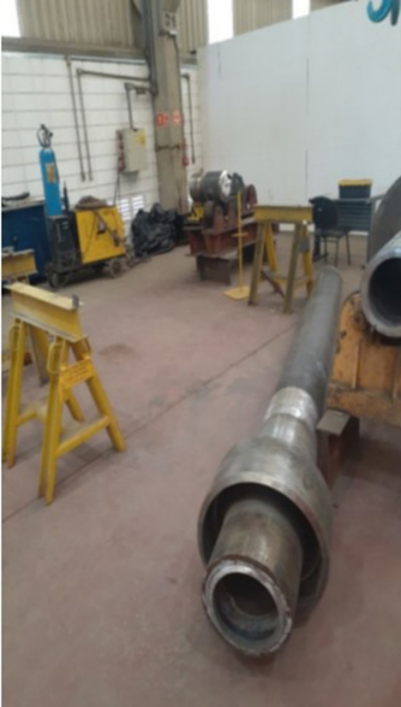
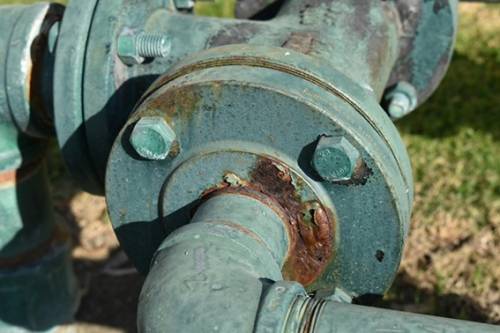
i. Comply with the manufacturer standards and specifications
Ensuring the conformity, safety, and performance of the supports is a priority in their selection. The Quebec Construction Code specifies maximum spacings and other applicable requirements such as hanger dimensions 1. Manufacturer specifications must also be respected to ensure performance and warranties. The strictest requirement must always prevail.
ii. Integrate thermal expansion from the design stage
Temperature variations mean thermal expansion or contraction of the piping 2. Properly managing these changes in length, while limiting stress, helps prevent deformations, leaks and breakages.
iii. Use certified and appropriate supports
Support specifications vary depending on the manufacturer. Choosing a certified support that meets the project requirements ensures load-bearing capacity and compatibility with the type of piping and the fluid being transported.
iv. Ensure accessibility for maintenance
Many mechanical components require periodic inspections or maintenance. Ensuring accessibility facilitates inspections, adjustments, and replacements without disrupting the system operation.
v. Coordinate with the building structure
The structure forms the skeleton of the building and ensures its stability and safety. Properly positioning supports within the structure allows for secure anchoring and prevents transferring loads to elements not designed to support them.
i. Undersized supports
All loads related to the piping must be taken up by the supports, including the weight of the pipe, the fluid being transported, and any installed equipment. Undersized supports lead to risks of failure, excessive vibration and premature wear. Beware that the pipe could even roll off its support and fall 3.
ii. Poor expansion management
Without alternating supports acting as fixed points and those serving as guides, the pipe does not have the necessary space to expand. Poor management can therefore cause uncontrolled movement, leaks, and deformation of the pipes.
iii. Material incompatibility
When dissimilar metals come into contact, galvanic corrosion occurs. Metals such as stainless steel, copper, and brass, should only be in contact with those of the same type. Material incompatibility causes premature degradation of components.
iv. Excessive spacing
Piping buckling, that is, a bend of the pipe between two supports, occurs when the maximum spacing is not respected. Inadequate distance between supports reduces stability and increases the load on each support.
v. Direct support on non-structural elements
Not all building elements are designed to bear loads, such as furniture or mechanical devices. Failure to secure supports to the structural elements can lead to damage to the building and compromise the safety of the installation.
We use cookies
Respecting your privacy matters to us. We use cookies to personalize our content and facilitate your digital experience. Some cookies may be collected with your consent.
Essential
Essential cookies help make a website usable by enabling basic functions such as page navigation and access to secure areas of the website. The website cannot function properly without these cookies.
Performance
These cookies enable us to analyze navigation on our sites and improve their operation.
Customization
Preference cookies enable a website to remember information that modifies the behavior or appearance of the site, such as your preferred language or the region you are in.
Targeted advertising
These cookies help us limit the number of times you see an advertisement, personalize our offers and services according to your centers of interest, measure the effectiveness of an advertising campaign, and so on. They may be shared with our partners.
We use cookies
Respecting your privacy matters to us. We use cookies to personalize our content and facilitate your digital experience. Some cookies may be collected with your consent.